
For history enthusiasts and those passionate about delving into the past, gifting books that provide a profound understanding of historical events, figures, and philosophies is an excellent choice. These essential books not only enhance knowledge but also inspire a deeper appreciation for the narratives that shape our world. Whether you're looking for gifts for a budding historian, a college student, or a seasoned researcher, these selections are invaluable. They cover diverse topics from ancient civilizations to modern history, making them perfect for anyone interested in exploring the complexities of human experiences through time. Each book offers insights that can spark thoughtful discussions and provide context to contemporary issues. Presenting these books as gifts will undoubtedly nurture the recipient's curiosity and passion for history.
- Winston Churchill's six-volume series on World War II combines personal insight and historical analysis, making it a key piece for historians studying modern warfare.
- Susan Wise Bauer's comprehensive account is perfect for those looking to understand the ancient civilizations and their lasting impact on the world today.
- Jared Diamond's Pulitzer Prize-winning book explores the factors that have shaped civilizations. A must-have for any historian wanting to understand the environmental and geographical influences on human history.
- Anne Frank's poignant diary provides a unique perspective on the lives affected during the Holocaust, making it an essential read for those studying this dark chapter in history.
- Herodotus is often called the 'Father of History' for a reason. His work provides a detailed account of the Greco-Persian Wars and is foundational for understanding Western history.
- Hannah Arendt’s analysis on totalitarian regimes is vital for understanding modern politics and the historical circumstances that lead to such governmental structures.
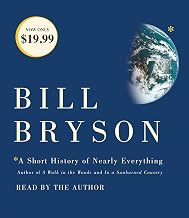
- Bill Bryson's humorous and informative take on science and history reveals the interconnectedness of events and discoveries that have shaped our understanding of the world.
- Shelby Foote's epic trilogy on the American Civil War is richly detailed and brings to life the complexities of this pivotal event in U.S. history.
- Yuval Noah Harari's best-selling book takes readers through the journey of humanity from the Stone Age to the modern age, providing profound insights into our past and future roles as a species.
- Thomas S. Kuhn’s groundbreaking work on the history of science challenges traditional views and explains how scientific progress is often nonlinear, influencing both historians and scientists.
- Daniel Kahneman's exploration of human decision-making adds depth to historical analysis by examining psychological aspects behind human behavior and societal trends.
- Peter Frankopan provides a fresh perspective on history through the trade routes of the East, fostering a global understanding of interconnected histories.
- Edward Gibbon’s monumental work remains a crucial historical text, illustrating the complexities and eventual decline of one of history's greatest empires.
- Rebecca Skloot's book raises important ethical questions within the history of medicine and scientific research, making it vital reading for historians and medical professionals alike.
- Howard Zinn's classic work presents history from the perspective of everyday people rather than political leaders, offering a different narrative on American history.




Frequently Asked Questions
What are the best books for history majors?
The best books for history majors include a mix of foundational texts, contemporary works, and diverse perspectives on historical events.
How do I choose a history book to gift?
Consider the recipient's interests; choose books that cover specific periods, themes, or regions they are passionate about.
Are there books that combine history with other subjects?
Yes, many books, like 'Thinking, Fast and Slow,' combine history with psychology or science, providing rich interdisciplinary insights.
What type of history books should beginners start with?
Beginners may benefit from accessible overview books or narratives that provide context without assuming prior extensive knowledge.